Discover the concise‚ evidence‑based guide that Dr. Westman offers on page 4 of his food list PDF. It presents a snapshot of recommended foods‚ highlighting key nutrients and practical choices for a balanced diet. This brief overview sets the stage for deeper exploration. It aids dietitians‚ patients‚ and families

Purpose and scope of the document
Dr. Westman’s Page 4 Food List PDF serves as a focused reference for individuals seeking to align their daily intake with the principles of a low‑carbohydrate‚ high‑protein‚ and nutrient‑dense diet. The document’s primary purpose is to distill complex nutritional science into an easily digestible format‚ enabling both clinicians and laypersons to identify foods that support metabolic health‚ weight management‚ and disease prevention. By concentrating on a curated selection of items‚ the list emphasizes foods that are low in refined sugars‚ high in essential micronutrients‚ and conducive to stable blood glucose levels. The scope of the PDF is intentionally narrow‚ covering only the foods that Dr. Westman has identified as most beneficial within the context of his therapeutic framework. It excludes items that may trigger inflammation‚ compromise insulin sensitivity‚ or provide excessive empty calories. The document is designed to complement broader dietary guidelines‚ offering a practical tool for meal planning‚ grocery shopping‚ and nutritional counseling. It also serves as a quick reference for patients to verify that their choices align with the recommended dietary patterns. By providing clear‚ evidence‑based categories‚ the PDF helps users avoid common pitfalls associated with fad diets and supports sustainable lifestyle changes. The ultimate goal is to empower readers with knowledge that translates into healthier eating habits‚ improved metabolic markers‚ and a reduced risk of chronic disease. Readers may adapt the list to fit their lifestyle now.

Understanding the Structure of Page 4
The page is organized into clear sections that guide the reader through categories‚ visual cues‚ and concise descriptions.Each block groups foods by nutritional role‚ making it easy to locate proteins‚ vegetables‚ fruits‚ and grains highlighting serving suggestions.
Layout overview
The layout of Dr. Westman’s Page 4 Food List PDF is intentionally designed for quick reference and clarity. At the top‚ a bold header identifies the page number and the title “Food List – Page 4.” Below the header‚ the page is divided into three primary columns‚ each representing a major food category: proteins‚ vegetables & fruits‚ and grains & carbohydrates. The columns are separated by thin vertical lines‚ creating a clean visual hierarchy. Within each column‚ individual foods are listed in descending order of recommended frequency‚ with the most frequently consumed items at the top. Each entry is accompanied by a small icon that indicates the food’s nutrient profile—green for high protein‚ blue for fiber-rich‚ and orange for healthy fats. The icons are placed to the left of the food name‚ followed by a concise description and a recommended portion size in grams. The font is a legible sans‑serif typeface‚ with the food names in bold and the descriptions in regular weight. The spacing between lines is generous‚ allowing for easy scanning. At the bottom of the page‚ a legend explains the icon colors‚ and a small note reminds users to consult the accompanying guide for portion control and meal timing. The overall design balances visual appeal with functional readability‚ ensuring that healthcare professionals and patients can quickly locate the foods they need for balanced meal planning. This format supports quick decision‑making and visual tracking of nutrient intake‚ helping maintain consistency and adherence to dietary objectives for health today!
Key categories of foods listed
Dr. Westman’s Page 4 Food List PDF organizes foods into three essential categories that reflect the core principles of a balanced‚ nutrient‑dense diet. The first category‚ Proteins and legumes‚ emphasizes lean animal sources such as poultry‚ fish‚ and eggs‚ alongside plant‑based proteins like lentils‚ chickpeas‚ and black beans. Each item is paired with a brief note on optimal portion sizes and cooking methods that preserve protein quality while minimizing added fats.
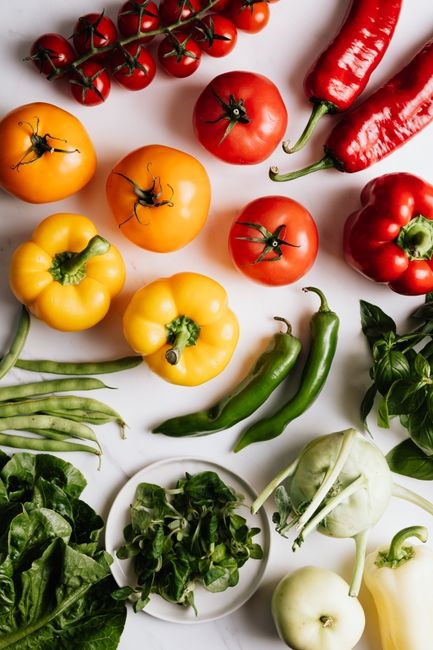
The second category‚ Vegetables and fruits‚ showcases a wide spectrum of produce‚ from leafy greens and cruciferous vegetables to berries and stone fruits. The list highlights seasonal varieties and seasonal availability‚ encouraging consumers to choose fresh‚ locally sourced options that maximize micronutrient density. Descriptions include suggested preparation styles—raw‚ steamed‚ or lightly sautéed—to retain vitamins and minerals.
The final category‚ Grains and carbohydrates‚ focuses on complex carbohydrates with low glycemic impact. Whole grains such as quinoa‚ barley‚ and whole‑wheat pasta are featured‚ alongside starchy vegetables like sweet potatoes and squash. The PDF provides guidance on portion control and the importance of pairing these foods with protein or healthy fats to stabilize blood sugar levels.
This concise framework serves as a practical reference for daily meal planning‚ ensuring that each food choice aligns with the overarching goal of optimal health and well‑being. Enjoy! Stay fit
Thanks.

Detailed Breakdown of Food Categories
Dr. Westman’s Page 4 PDF dissects foods into proteins‚ veggies‚ and whole grains‚ each with recommended portions‚ cooking tips‚ and nutrient focus. This concise guide helps users align choices with balanced nutrition goals. Ideal for quickreferenceUse it daily Enjoy

Dr. Westman’s Page 4 PDF presents a concise protein and legume guide‚ emphasizing quality‚ portion size‚ and preparation that fit a low‑carbohydrate diet. Animal proteins—lean beef‚ pork‚ poultry‚ fish—are grouped by fat content‚ with low‑saturated options highlighted for essential amino acids. Each entry lists a recommended daily portion‚ expressed in grams or standard servings‚ and offers cooking tips to preserve nutrients. For instance‚ a 3‑ounce skinless chicken breast delivers about 25 g of protein with minimal fat‚ ideal for weight‑management plans. Fish such as salmon‚ sardines‚ and mackerel are noted for omega‑3 fatty acids; the PDF suggests baking or steaming to retain these oils. Plant‑based proteins are covered through legumes—black beans‚ chickpeas‚ lentils‚ peas—each with protein‚ fiber‚ and glycemic profiles. Portion control is advised: ½ cup cooked legumes per serving keeps carbohydrate load low while providing fiber and micronutrients. The guide explains pairing legumes with animal proteins to achieve a complete amino‑acid profile and improve satiety. Practical meal ideas include adding lentils to soups‚ chickpeas to salads‚ or pairing black beans to grilled chicken. The focus remains on nutrient density‚ sustainable sourcing‚ and culinary versatility‚ making this section essential for those following Dr. Westman’s nutritional framework.
Moreover‚ the PDF includes a reference table summarizing protein sources‚ their gram content per serving‚ and recommended cooking methods. This now aid allows users to compare options at a glance and integrate the list into weekly meal plans without extensive research.
Legumes + protein = fullness!

Vegetables and fruits
Dr. Westman’s approach to vegetables and fruits emphasizes nutrient density‚ variety‚ and seasonal availability. The list prioritizes leafy greens‚ cruciferous vegetables‚ root crops‚ and a spectrum of berries and citrus. Each item is chosen for its high content of vitamins‚ minerals‚ antioxidants‚ and phytonutrients that support metabolic health and reduce inflammation. The guide recommends consuming a minimum of five servings per day‚ with a mix of raw‚ steamed‚ roasted‚ or sautéed preparations to preserve bioactive compounds. For leafy greens‚ spinach‚ kale‚ Swiss chard‚ and collard greens are highlighted for their iron‚ calcium‚ and folate profiles. Cruciferous options such as broccoli‚ cauliflower‚ Brussels sprouts‚ and cabbage provide glucosinolates that aid detoxification pathways. Root vegetables like carrots‚ beets‚ sweet potatoes‚ and parsnips offer beta‑carotene and fiber. The fruit section encourages a rainbow of choices: blueberries‚ strawberries‚ raspberries‚ blackberries‚ oranges‚ grapefruits‚ and apples. These provide vitamin C‚ ellagic acid‚ and soluble fiber. Seasonal selection ensures freshness and cost‑effectiveness‚ while pairing fruits with protein or healthy fats enhances satiety and glycemic control. The PDF also notes that portion sizes should be adjusted based on individual caloric needs‚ activity level‚ and health goals. Incorporating these foods into daily meals—such as salads‚ smoothies‚ stir‑fries‚ and side dishes—helps maintain stable blood sugar levels and promotes long‑term adherence to a balanced diet. Finally‚ the guide encourages mindful eating practices‚ mindful chewing‚ and savoring flavors to improve digestion and nutrient absorption. In addition‚ Dr. Westman advises limiting processed vegetable products and fruit juices that contain added sugars or sodium. Whole foods retain their natural matrix‚ which slows digestion and supports gut microbiota diversity. The PDF also provides tips for meal prepping—chopping vegetables in advance‚ storing berries in airtight containers‚ and using citrus zest to enhance flavor without extra calories. By integrating these strategies‚ individuals can enjoy a vibrant‚ nutrient‑rich diet that aligns with the principles of the Westman protocol while remaining practical and enjoyable. Remember to rotate crops seasonally to maximize nutrient variety and keep meals exciting. Enjoythejourney
Grains and carbohydrates

Dr. Westman’s page 4 highlights the importance of whole‑grain and complex carbohydrate foods for sustained energy and metabolic balance. The list prioritizes low‑glycemic‚ fiber‑rich options that help regulate blood sugar‚ improve satiety‚ and support a healthy gut microbiome. Whole‑wheat couscous‚ barley‚ and quinoa are highlighted for their complete protein profiles‚ essential amino acids‚ and micronutrient density. Barley’s high soluble fiber content is noted for its cholesterol‑lowering effects‚ while quinoa’s plant‑based protein makes it a versatile substitute for animal proteins.
Starchy vegetables such as sweet potatoes‚ butternut squash‚ and carrots are also recommended. These root vegetables provide beta‑carotene‚ potassium‚ and dietary fiber‚ contributing to a nutrient‑dense carbohydrate intake. The emphasis on plant‑based carbohydrates aligns with the “whole‑food‚ plant‑centered” philosophy‚ encouraging a shift away from refined grains and processed sugars. Instead‚ the focus is on nutrient density‚
Meal‑planning guidance suggests incorporating a small serving of a recommended grain or starchy vegetable with each main dish. For example‚ a bowl of barley risotto paired with sautéed greens and a lean protein source creates a balanced plate that satisfies hunger and supports metabolic resilience. By prioritizing these carbohydrate sources‚ individuals can enjoy flavorful‚ satisfying meals while adhering to Dr. Westman’s evidence‑based nutritional framework. Savor nutritious choices for lasting vitality. OK.

Practical Applications
Use the list to craft balanced meals‚ pair proteins with veggies‚ and select whole grains. Create weekly menus‚ adjust portion sizes‚ and track progress. The PDF offers quick reference for grocery shopping and dietary adjustments. Use it daily for consistent health gains. and joy.
How to use the list in meal planning
Begin by reviewing the list’s categories: proteins‚ vegetables‚ fruits‚ grains‚ and healthy fats. For each meal‚ select one item from each category to ensure a balanced plate. Use the list as a template for grocery shopping—pick items that fit your taste and budget. When planning breakfast‚ choose a protein such as eggs or Greek yogurt‚ pair it with fresh fruit‚ and add a handful of nuts or seeds for healthy fats. For lunch‚ create a salad with leafy greens‚ a lean protein like grilled chicken‚ and a whole‑grain side such as quinoa or brown rice. Incorporate a variety of colorful vegetables to maximize micronutrients. Dinner can follow a similar structure: a protein source‚ a complex carbohydrate‚ and a side of steamed or roasted vegetables. Use the list to guide portion sizes: aim for a palm‑sized protein‚ a fist‑sized carbohydrate‚ and two fists of vegetables. Adjust portions based on activity level and satiety. The list also offers flexibility—swap items within the same category to keep meals interesting. For example‚ replace salmon with tofu‚ or swap berries for citrus fruit. Use the list to track nutrient intake by noting the approximate grams of protein‚ fiber‚ and healthy fats per serving. This helps maintain dietary goals and ensures you’re meeting recommended daily allowances. Finally‚ integrate the list into weekly meal prep: batch‑cook proteins‚ chop vegetables‚ and pre‑portion snacks. This reduces decision fatigue and keeps you on track. By following these steps‚ the list becomes a practical tool for consistent‚ eating.
Integrating the list with dietary guidelines

Integrating Dr. Westman’s page 4 food list with national dietary guidelines begins by aligning each item’s nutrient profile with recommended servings. The list’s focus on low‑glycemic‚ high‑protein foods complements the American Heart Association’s call to limit refined carbs while encouraging lean proteins. By mapping the list’s legumes‚ leafy greens‚ whole grains‚ and healthy fats to the Dietary Guidelines for Americans‚ a plate can be constructed that satisfies low‑carb philosophy and adequate fiber‚ vitamin‚ and mineral needs. For instance‚ pairing the listed legumes with the guideline’s minimum of two vegetable servings per meal ensures micronutrient density. Whole‑grain alternatives such as quinoa or barley can replace refined grains‚ meeting the guidelines’ whole‑grain servings recommendation. Adjusting portion sizes—carbohydrate to portions by 25–30% increasing protein and healthy fats—helps maintain caloric balance without compromising the low‑carb principle. This approach preserves satiety‚ supports metabolic stability‚ and aligns with the Dietary Guidelines’ emphasis on limiting added sugars and sodium. Finally‚ incorporating the list into meal‑planning software or nutrition‑tracking apps allows comparison against the page 4 selections broader guidelines‚ ensuring dietary choices remain consistent with Dr. Westman’s recommendations and national standards. By routinely revisiting the list‚ practitioners can adjust for seasonal availability and individual tolerance‚ ensuring a dynamic‚ personalized approach that remains aligned with evolving scientific evidence and stay consistent.

and Further Resources
Dr. Westman’s page 4 food list PDF concludes a concise‚ evidence‑based guide that supports low‑carb dietary planning. The list summarises essential proteins‚ non‑starchy vegetables‚ low‑glycemic fruits‚ whole‑grain alternatives and healthy fats‚ offering clinicians a quick reference for patient education and meal design. By integrating this snapshot with broader nutritional frameworks‚ practitioners can tailor portion sizes‚ respect individual carbohydrate tolerances‚ and align recommendations with national dietary guidelines. The resource encourages regular review‚ seasonal adaptation‚ and cross‑checking with reputable databases such as USDA FoodData Central to verify micronutrient content. For continued learning‚ readers may consult the full Dr. Westman Low‑Carb Diet book‚ peer‑reviewed articles in Nutrition & Metabolism‚ and the official Dr. Westman website‚ which provides downloadable PDFs‚ interactive tools‚ and community support. Professional development options include webinars on carbohydrate‑restricted therapy‚ certification programs in functional nutrition‚ and continuing education courses offered by metabolic health societies. Combining the succinct page 4 reference with these extensive materials creates a robust‚ flexible framework that promotes sustainable eating habits‚ improves metabolic outcomes‚ and empowers both clinicians and patients to achieve long‑term health goals. Additional references include conference abstracts dietitian newsletters‚ and peer‑reviewed reviews supporting low‑carb protocols today.