
What is a TV Guide Chart?
A TV Guide chart‚ in its simplest form‚ is a concise‚ organized listing of television programs
broadcast across various channels‚ offering viewers a quick reference for scheduling.
Historically‚ these charts were primarily found in printed publications‚ but have evolved significantly
with the advent of digital technologies and streaming services.
These guides help people to plan their viewing and discover new shows‚ providing essential information
about program times‚ titles‚ and brief descriptions.
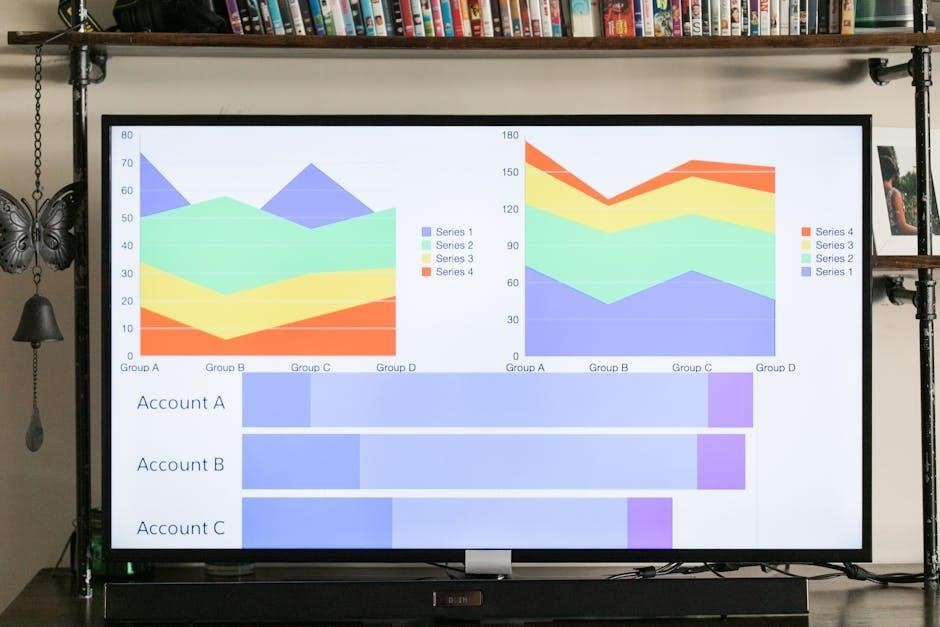
Defining the TV Guide Chart
A TV Guide chart represents a systematically arranged presentation of television programming‚ functioning as a roadmap for viewers navigating the broadcast landscape. Essentially‚ it’s a curated schedule detailing what’s airing on different channels at specific times. Historically‚ these charts were the cornerstone of printed TV Guide magazines‚ offering a comprehensive overview of weekly television offerings.
The core function of a TV Guide chart is to provide concise program information. This includes the program title‚ a brief synopsis‚ the channel number‚ and the start and end times. Early charts were limited by space‚ necessitating brevity in descriptions. However‚ the advent of digital TV listings expanded the capacity for detail‚ allowing for more extensive program summaries and even user reviews.
Today‚ the definition extends beyond print. Digital TV guides‚ both on-screen and via apps‚ continue this tradition‚ often incorporating interactive features like program reminders and personalized recommendations; The fundamental principle remains: to empower viewers with the information needed to make informed viewing choices.
Historical Context of TV Guide Charts
The origins of TV Guide charts are deeply intertwined with the rise of commercial television in the post-World War II era. As television ownership surged in the 1950s‚ the need for a centralized program listing became apparent. Early attempts were often localized newspaper inserts‚ lacking the comprehensive scope viewers desired.
TV Guide magazine‚ launched in 1953‚ quickly filled this void‚ becoming the dominant force in TV listings. Its success stemmed from providing a nationally standardized‚ weekly chart‚ offering a consistent and reliable source of information. These early charts were meticulously compiled‚ reflecting the limited number of channels available at the time.
Throughout the mid-20th century‚ TV Guide evolved alongside television itself‚ adapting to color broadcasting and the introduction of cable. The magazine’s charts weren’t merely listings; they were cultural artifacts‚ reflecting societal viewing habits and the evolving landscape of entertainment. They represented a shared experience‚ guiding families in their weekly television choices.

Evolution of TV Guide Charts
TV Guide charts have dramatically transformed from printed publications to digital formats‚ mirroring technological advancements and changing consumer habits.
Initially static‚ they now offer interactive features‚ personalized recommendations‚ and on-demand access to program information.
Early Printed TV Guides
Early printed TV guides emerged in the 1950s‚ coinciding with the rapid growth of television ownership in American households. These initial publications‚ like the aptly named TV Guide‚ were modest in size and scope‚ primarily focusing on listing program schedules for a limited number of local channels.
They served as essential tools for viewers navigating the burgeoning world of television programming‚ helping them to plan their evenings and discover new shows. The guides were typically published weekly‚ featuring grid-like layouts that displayed channel names‚ program titles‚ and start times.
Beyond basic scheduling‚ these early guides began to include brief program descriptions‚ celebrity features‚ and even television-related news‚ slowly evolving into a comprehensive entertainment resource. The covers often showcased popular television stars‚ further enhancing their appeal to a broad audience. These printed guides represented a pivotal moment in television history‚ solidifying the medium’s place in American culture and providing a vital service to its growing viewership.
Transition to Digital TV Listings
The transition to digital TV listings began in the late 1990s and early 2000s‚ driven by advancements in television technology and the rise of digital cable and satellite services. These platforms introduced interactive program guides (IPGs) accessible directly through the television set‚ offering a more dynamic and user-friendly experience than traditional printed guides.
IPGs allowed viewers to browse channels‚ search for programs by title or genre‚ and even set reminders for their favorite shows. Simultaneously‚ early websites began offering online TV listings‚ providing a convenient alternative to printed guides and IPGs.

This shift marked a significant departure from static‚ weekly schedules‚ enabling real-time updates and personalized viewing experiences. The digital format also facilitated the inclusion of more detailed program information‚ such as cast lists‚ synopses‚ and ratings‚ enhancing the overall value of the TV guide for viewers.
The Impact of the Internet on TV Guides
The Internet profoundly reshaped TV guides‚ moving them from primarily print and broadcast-based formats to dynamic‚ web-based platforms. Websites and‚ later‚ mobile apps emerged‚ offering comprehensive and instantly updated TV listings accessible on any device. This accessibility democratized information‚ allowing viewers to plan their schedules anywhere‚ anytime.
Furthermore‚ the Internet enabled personalization. Users could customize listings based on their preferences‚ receive recommendations‚ and integrate TV schedules with other online calendars and social media platforms;
The rise of streaming services further complicated and expanded the role of the online TV guide‚ requiring aggregators to incorporate content from multiple sources. Today‚ the Internet serves as the primary hub for TV information‚ eclipsing traditional print guides and fundamentally altering how people discover and consume television content.

Key Components of a TV Guide Chart
Essential elements include channel listings‚ precise program schedules‚ detailed program titles‚ concise descriptions‚ and accurate time slots with durations‚ aiding viewing choices.
These components provide viewers with a structured overview of available content‚ simplifying the television experience.
Effective charts balance information density with readability for optimal user engagement.
Channel Listings and Schedules
Channel listings form the foundational structure of any TV guide chart‚ presenting a comprehensive catalog of available broadcast networks and cable channels.
These listings are typically organized sequentially‚ mirroring the channel numbers assigned by television providers‚ ensuring easy navigation for viewers.
Alongside each channel‚ a detailed schedule outlines the programming lineup for a specific timeframe‚ usually spanning several hours or an entire day.
This schedule meticulously details the start and end times of each program‚ allowing viewers to pinpoint their desired shows and plan their viewing accordingly.
Historically‚ printed TV guides presented these schedules in a grid format‚ while modern digital guides offer interactive and searchable listings.
The accuracy and completeness of channel listings and schedules are paramount‚ as they directly impact the user’s ability to access and enjoy television content.
Furthermore‚ many guides now incorporate high-definition (HD) and 4K indicators‚ helping viewers identify broadcasts with enhanced picture quality.
Program Titles and Descriptions
Program titles are prominently displayed within a TV guide chart‚ serving as the primary identifier for each broadcast offering. These titles are usually presented in a bold or distinct font to capture the viewer’s attention.
Complementing the titles are concise program descriptions‚ providing a brief synopsis of the show’s content and genre. These descriptions are crucial for helping viewers decide what to watch.
Historically‚ space constraints in printed guides limited description length‚ but digital formats allow for more detailed summaries and even user reviews.
Modern TV guides often categorize programs by genre – such as comedy‚ drama‚ or sports – further aiding in content discovery.
The quality of these descriptions significantly impacts the user experience‚ as they provide essential information without requiring viewers to sample the program.
Accurate and engaging program information is vital for attracting viewership and maximizing the value of the TV guide chart.
Many digital guides also include cast information and ratings to enhance the program details.
Time Slots and Durations
Time slots are a fundamental component of any TV guide chart‚ clearly indicating the start time of each program. These are typically presented in a standardized format‚ such as HH:MM AM/PM‚ for easy readability.
Alongside the start time‚ the duration of each program is equally important‚ informing viewers how long the show will last. Durations are usually expressed in hours and minutes (e.g.‚ 1h 30m).
Accurate time slot and duration information is critical for viewers planning their schedules and avoiding missing the beginning or end of their desired programs.
Digital TV guides often incorporate features like reminders and alerts based on these time slots‚ enhancing the user experience.
Changes to schedules are common‚ and modern guides strive to provide real-time updates to reflect these alterations.
The precise presentation of time slots and durations contributes significantly to the overall usability and effectiveness of the TV guide chart.
Understanding these elements allows viewers to navigate the television landscape with confidence and efficiency.

Collecting Vintage TV Guides
Vintage TV Guides offer a nostalgic glimpse into past broadcasting schedules and cultural trends‚ becoming collectible items for enthusiasts.
These guides represent a tangible connection to television history‚ showcasing program listings and advertisements from bygone eras.
Collectors appreciate their aesthetic appeal and the insights they provide into the evolution of television programming.
The Appeal of Retro TV Guides
Retro TV Guides possess a unique allure that extends far beyond simply listing television programs. They represent a captivating time capsule‚ transporting collectors and enthusiasts back to specific eras of broadcasting history. The visual aesthetic of these vintage publications‚ with their distinctive cover art and layouts‚ is a significant draw‚ evoking a sense of nostalgia and charm.
Beyond the visual appeal‚ these guides offer a fascinating window into the cultural landscape of the past. Advertisements within the pages reflect the products and trends popular at the time‚ providing valuable insights into societal values and consumer habits. Program listings themselves reveal the types of shows that captivated audiences‚ showcasing the evolution of television genres and formats.
For many‚ collecting retro TV Guides is about more than just acquiring a physical object; it’s about preserving a piece of television history and reconnecting with cherished memories. The thrill of the hunt for rare or significant issues adds to the appeal‚ fostering a vibrant community of collectors who share a passion for this unique form of memorabilia.
Rarity and Value of Vintage Issues
The rarity and value of vintage TV Guides are determined by a complex interplay of factors. First editions‚ particularly those in excellent condition‚ command higher prices. Issues featuring significant cultural events – like the moon landing or major celebrity appearances – are also highly sought after by collectors.
Regional variations play a role; some editions were printed in limited quantities for specific geographic areas‚ increasing their scarcity. Condition is paramount; guides with minimal wear‚ intact covers‚ and clean pages are worth considerably more. Errors in printing‚ such as misprints or incorrect listings‚ can also elevate an issue’s value.
Generally‚ guides from the 1950s and 1960s are considered the most valuable‚ as they represent the early years of television and are becoming increasingly scarce. Online marketplaces and auction sites provide a platform for buying and selling‚ with prices ranging from a few dollars to several hundred‚ or even thousands‚ for exceptionally rare finds.
Preservation and Storage of Old Guides
Preserving vintage TV Guides requires careful attention to environmental factors and handling techniques. Acid-free storage materials are crucial; archival-quality sleeves‚ boxes‚ and backing boards prevent further deterioration caused by paper acidity. Avoid direct sunlight‚ as UV rays can fade covers and brittle pages.
Maintain a stable temperature and humidity level – ideally cool and dry – to minimize mold growth and paper degradation. Gentle handling is essential; avoid bending or folding‚ and use clean‚ dry hands or cotton gloves when handling. Consider digitizing valuable issues by scanning or photographing them to create a backup and reduce the need for frequent physical handling.
Proper storage involves laying guides flat‚ rather than stacking them‚ to prevent pressure damage. Regularly inspect your collection for signs of deterioration and address any issues promptly. These steps ensure these pieces of television history are protected for future generations.

Modern TV Guide Alternatives
Today’s viewers utilize on-screen guides‚ digital listing websites‚ and streaming service program menus for showtimes and descriptions.

These alternatives offer interactive features and personalized recommendations‚ surpassing traditional printed TV Guide charts.
Convenience and accessibility define the modern television viewing experience.
On-Screen TV Guides
On-screen TV guides represent a significant evolution from printed listings‚ directly integrated into television sets themselves. These interactive guides allow viewers to browse channels and program schedules without leaving their current viewing experience. Early iterations were basic text-based displays‚ but modern on-screen guides boast graphical interfaces‚ program previews‚ and even the ability to set reminders.
Cable and satellite providers often offer their own customized on-screen guides‚ enhancing functionality with features like parental controls and personalized recommendations. Smart TVs have further expanded this capability‚ integrating streaming apps and offering universal search across multiple platforms. The convenience of an on-screen guide is undeniable; it eliminates the need for separate publications or websites‚ providing instant access to television programming information.
Furthermore‚ many on-screen guides now incorporate social media integration‚ allowing viewers to share what they are watching with friends and family. This seamless integration has solidified on-screen guides as a primary method for discovering and managing television content.
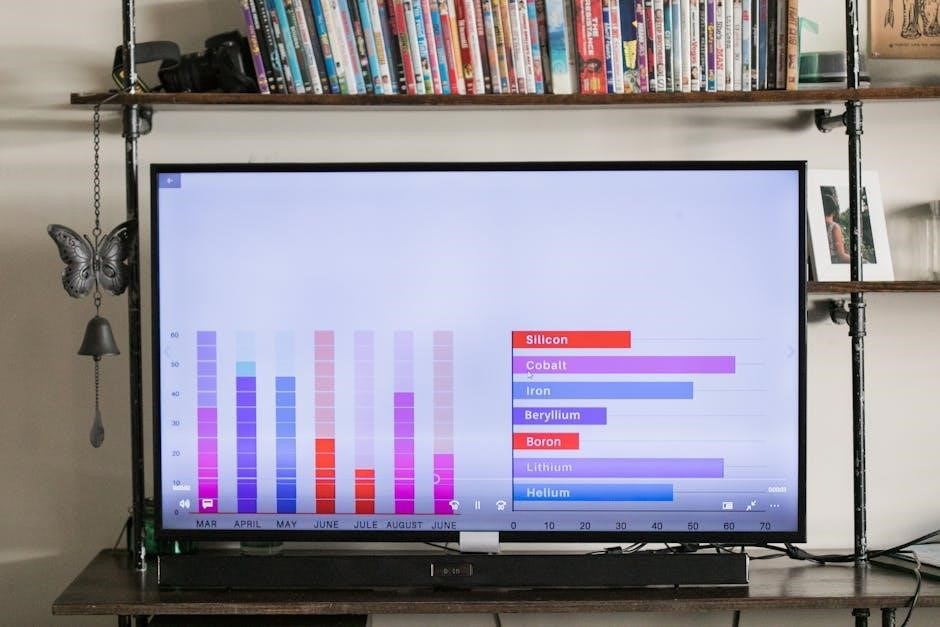
Digital TV Listing Websites and Apps
Digital TV listing websites and apps have revolutionized how people access television schedules‚ offering a dynamic and personalized experience beyond traditional formats. These platforms provide comprehensive program guides‚ often incorporating data from numerous sources‚ including broadcast‚ cable‚ and streaming services. Users can search for specific shows‚ set reminders‚ and even receive recommendations based on their viewing habits.
Many apps offer cross-device synchronization‚ allowing users to manage their watchlist on their smartphones‚ tablets‚ or computers. Popular examples include dedicated TV listing apps and integrated features within streaming service platforms. These digital tools frequently include detailed program descriptions‚ cast information‚ and user reviews‚ enhancing the discovery process.
The interactive nature of these platforms allows for customized viewing experiences‚ catering to individual preferences. Real-time updates and push notifications ensure viewers never miss their favorite programs‚ solidifying their role as essential tools for modern television consumption.
Streaming Service Program Guides
Streaming service program guides represent a significant evolution of the traditional TV Guide chart‚ tailored specifically to on-demand content. Unlike linear television listings‚ these guides focus on a vast library of available shows and movies‚ categorized and searchable by genre‚ actor‚ or title; They often employ sophisticated recommendation algorithms to suggest content based on viewing history and preferences.
These guides are seamlessly integrated into the streaming platform’s interface‚ providing a user-friendly experience. Features often include personalized watchlists‚ parental controls‚ and the ability to resume playback across devices. The emphasis is on discovery and binge-watching‚ encouraging users to explore a wide range of content.
Streaming guides are constantly updated with new releases and rotating content‚ offering a dynamic and ever-changing selection. They’ve become central to the streaming experience‚ effectively replacing the need for external TV listings for many viewers.