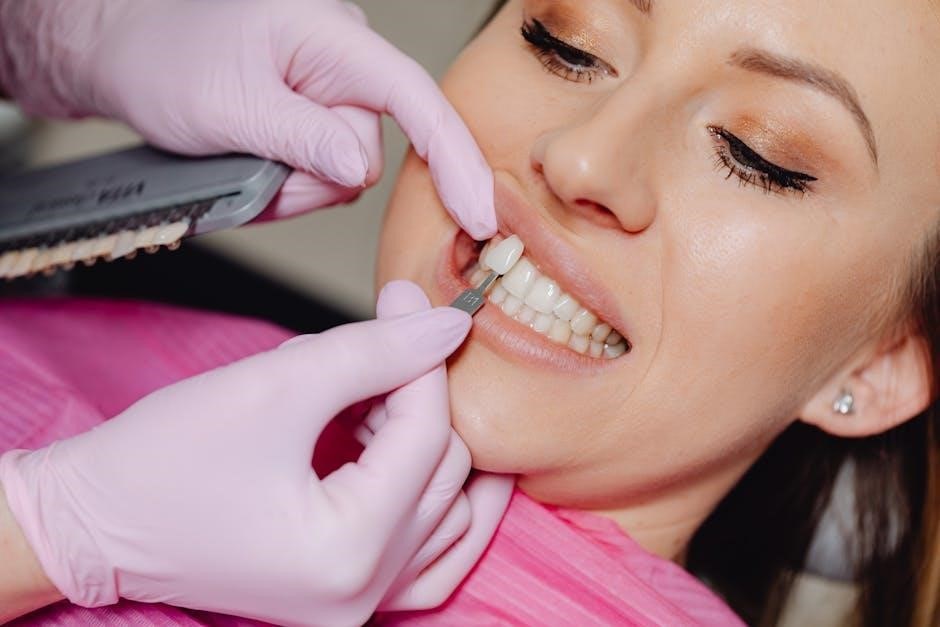
Dental Implant Procedure: A Step-by-Step Guide
Embarking on a dental implant journey requires understanding each phase, from initial evaluations to enjoying a restored, confident smile; detailed PDFs are available․
Initial Consultation & Evaluation
The first step involves a comprehensive discussion of your dental history, concerns, and expectations with the dental professional․ This initial consultation is crucial for determining if you are a suitable candidate for dental implants․ The dentist will thoroughly review your medical history, paying close attention to any conditions that might affect the implant process or healing, such as diabetes or autoimmune diseases․
A visual examination of your mouth will assess the health of your gums, jawbone, and remaining teeth․ Discussions will cover the available options for replacing missing teeth, including the benefits and limitations of dental implants compared to alternatives like bridges or dentures․ Expect a detailed explanation of the entire procedure, potential risks, and associated costs․ Many clinics provide step-by-step PDFs outlining this process for patient review․
Comprehensive Dental Examination
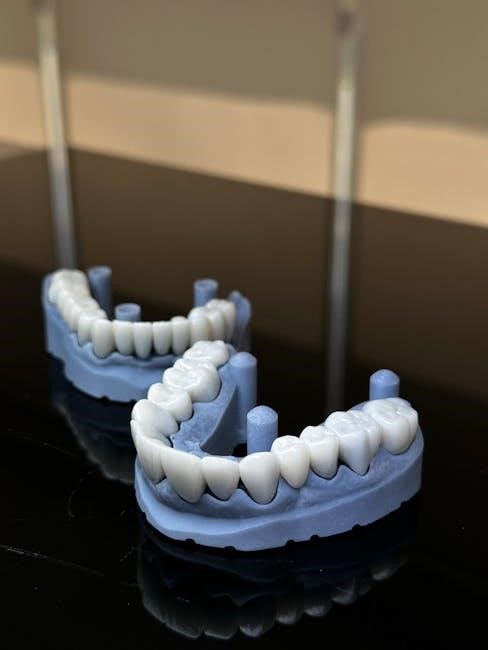
Following the initial consultation, a thorough dental examination is performed to assess your oral health in detail․ This includes a meticulous inspection of your teeth, gums, and supporting bone structure․ The dentist will check for signs of tooth decay, gum disease (periodontitis), and bone loss – all factors that can impact implant success․
Probing depths are measured to evaluate gum health, and the dentist will assess the stability of any remaining teeth․ A review of any existing dental restorations, such as fillings or crowns, is also conducted․ This comprehensive examination provides the necessary information for developing a personalized treatment plan․ Detailed step-by-step PDFs often illustrate the examination process and findings, aiding patient understanding and informed consent․

Treatment Planning & Imaging
Based on the comprehensive examination, a customized treatment plan is meticulously crafted․ This plan outlines the number of implants needed, their precise placement, and the type of restoration (crown, bridge, or denture) that will be attached․ Successful implant dentistry relies heavily on accurate diagnostics, making advanced imaging crucial․
Detailed imaging allows the dentist to visualize the underlying bone structure and identify vital anatomical landmarks, such as nerves and sinuses․ These images are essential for surgical planning and minimizing potential complications․ Many clinics provide step-by-step PDFs detailing the treatment process and imaging techniques used․ This ensures patients are fully informed and comfortable with the proposed plan, fostering trust and collaboration․
CBCT Scan (Cone Beam Computed Tomography)
A CBCT scan is a specialized type of X-ray that provides detailed three-dimensional images of the teeth, bone, and surrounding tissues․ Unlike traditional X-rays, CBCT captures a volumetric dataset, allowing for precise measurements and visualization from any angle․ This is paramount for accurate implant planning․
The scan assesses bone density, height, and width, crucial factors determining implant suitability and placement․ It also identifies the proximity of vital structures like nerves and sinuses, minimizing surgical risks․ Many dental practices offer downloadable PDFs explaining the CBCT process, radiation exposure, and how the images are utilized in treatment planning․ These resources empower patients with knowledge and alleviate anxieties surrounding the procedure․
Digital Impressions & 3D Modeling
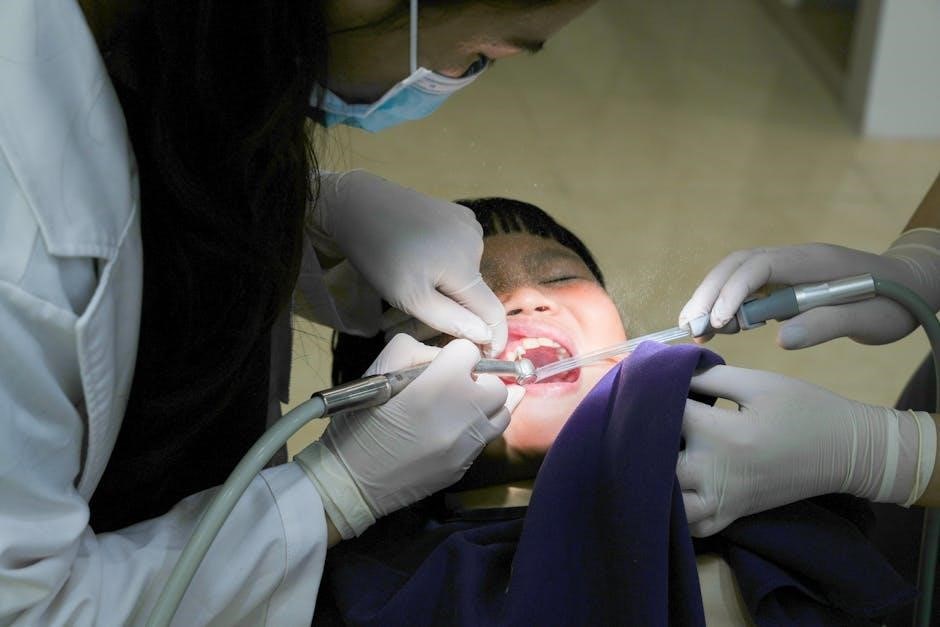
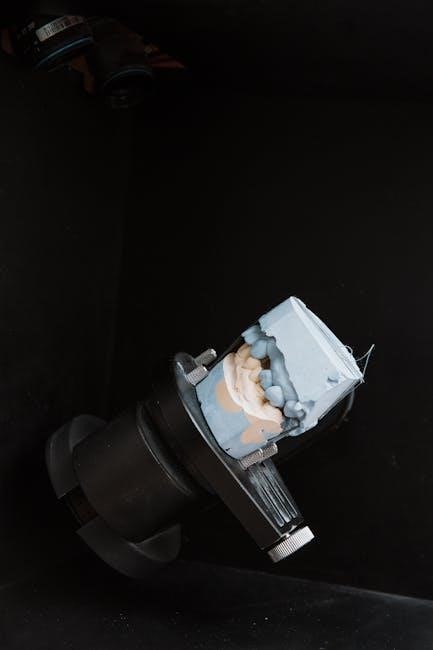
Traditional impressions using putty can be messy and inaccurate; digital impressions offer a superior alternative․ Utilizing an intraoral scanner, a precise digital model of your teeth and gums is created without the discomfort of physical molds․ This data is then used to generate a highly accurate 3D model of your mouth․
This 3D model is essential for virtual implant planning, allowing the dentist to visualize implant placement, assess bone availability, and design custom abutments and restorations․ Many clinics provide step-by-step PDFs detailing the digital impression process, showcasing the technology and its benefits․ These resources often include before-and-after visuals and explain how digital workflows enhance precision and predictability in implant dentistry․
Medical History Review
A thorough medical history is paramount before proceeding with dental implant surgery․ Your dentist needs a complete understanding of your overall health, including any existing medical conditions, medications you’re taking, allergies, and previous surgeries․ Certain health conditions, like uncontrolled diabetes or autoimmune diseases, can impact implant success․
Detailed questionnaires and discussions are standard practice․ Many clinics offer comprehensive medical history forms, often available as downloadable PDFs, outlining the necessary information․ These PDFs frequently emphasize the importance of honesty and transparency․ Accurate information allows the dental team to tailor the treatment plan, minimize risks, and ensure your safety throughout the implant procedure․
Surgical Planning
Meticulous surgical planning is crucial for a successful dental implant outcome․ This phase involves a detailed assessment of your jawbone density, nerve locations, and sinus cavities to determine the optimal implant placement․ Utilizing advanced imaging, like CBCT scans, allows for precise visualization and planning․
Digital technology plays a significant role․ Many clinics employ 3D modeling software to create a virtual surgical guide, ensuring accurate implant positioning․ Detailed surgical planning guides, often available as downloadable PDFs, outline the step-by-step process․ These PDFs frequently illustrate the planned implant angulation and depth, minimizing potential complications and maximizing long-term stability․
Anesthesia Options
Patient comfort is paramount during dental implant surgery, and several anesthesia options are available․ The choice depends on individual anxiety levels and the complexity of the procedure․ Local anesthesia numbs the immediate surgical site, allowing you to remain awake and aware during the process, a common approach detailed in step-by-step procedure PDFs․
Sedation dentistry offers a more relaxed experience․ Options range from mild sedation (reducing anxiety) to deep sedation (inducing a sleep-like state)․ These PDFs often outline the different sedation levels and their associated effects․ Your dentist will thoroughly discuss these options, considering your medical history and preferences, ensuring a comfortable and pain-free implant journey․
Local Anesthesia
Local anesthesia is the most common method for numbing the area surrounding the dental implant site․ It effectively blocks pain signals from the nerves in that specific region, ensuring a comfortable experience during the surgical procedure․ Step-by-step PDFs often illustrate the precise injection technique used by the dentist to achieve optimal numbing․
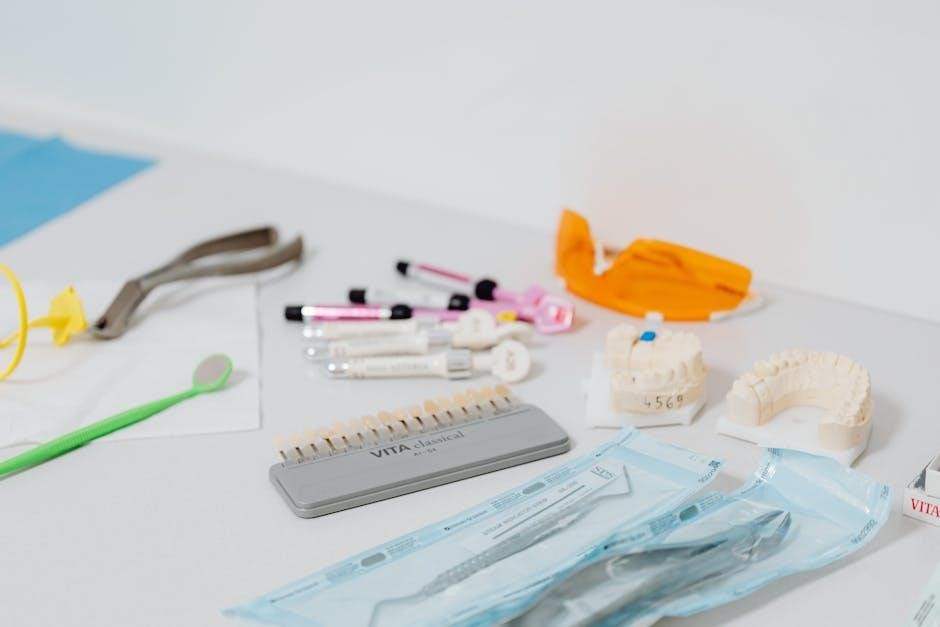
Typically, a local anesthetic like lidocaine is administered near the surgical site․ While you’ll remain awake, you won’t feel any pain during the implant placement․ You might experience some pressure or sensation, but it won’t be painful․ Detailed procedure guides emphasize the importance of informing your dentist if you have any allergies or medical conditions before receiving local anesthesia․
Sedation Dentistry
For patients experiencing dental anxiety or undergoing more complex implant procedures, sedation dentistry offers a relaxed and comfortable experience․ Step-by-step PDFs detailing implant procedures often outline the various sedation options available, ranging from mild to deep․ These options aim to minimize stress and create a positive treatment outcome․
Common sedation methods include nitrous oxide (laughing gas), oral sedatives, and intravenous (IV) sedation․ Nitrous oxide provides mild relaxation, while oral sedatives induce a deeper state of calm․ IV sedation, administered by a qualified anesthesiologist, offers the deepest level of relaxation, allowing some patients to remain asleep throughout the procedure․ Detailed guides emphasize the need for pre-operative evaluation and post-operative monitoring with sedation․
Surgical Procedure ー Stage 1: Implant Placement
Stage 1 of the dental implant process involves the surgical placement of the implant itself into the jawbone․ Comprehensive step-by-step PDFs illustrate this procedure, beginning with a precise incision to access the bone․ A pilot hole is carefully drilled, gradually widened to accommodate the implant’s size․
The implant, typically made of titanium, is then gently screwed or pressed into place․ Detailed guides emphasize the importance of achieving proper depth and angle for optimal osseointegration․ Following placement, a healing abutment may be attached, extending above the gum line․ This facilitates tissue healing and provides a guide for the future crown․ Sutures are used to close the incision, and post-operative instructions are crucial for successful healing․
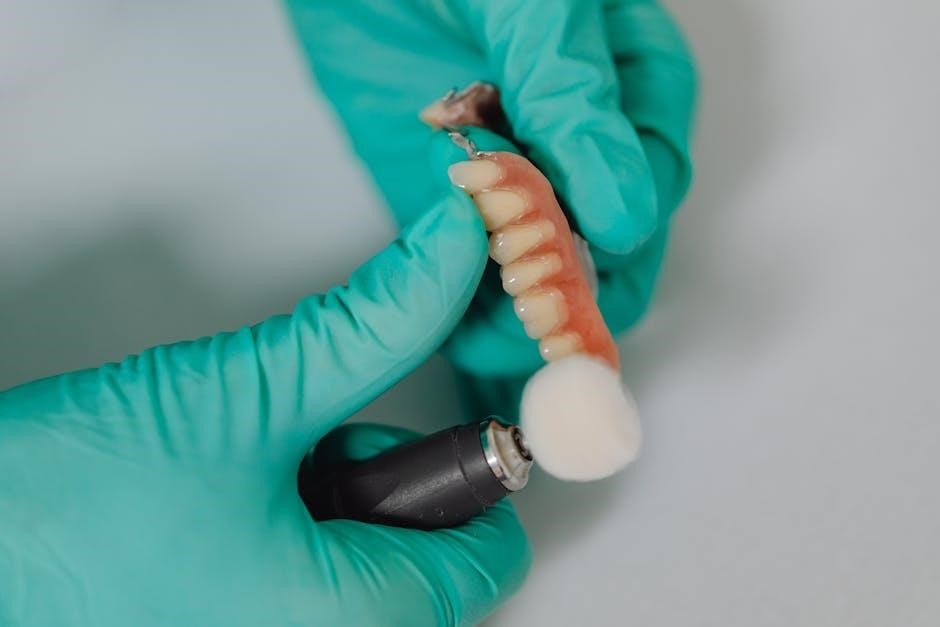
Bone Grafting (If Necessary)
If insufficient jawbone density exists to support an implant, bone grafting becomes a necessary precursor․ Step-by-step PDFs detail various techniques, including alveolar ridge augmentation and sinus lift procedures․ Alveolar ridge augmentation involves adding bone to the existing jawbone, often using bone harvested from another area of the body or a synthetic bone substitute․
A sinus lift elevates the sinus membrane to create space for bone grafting in the upper jaw․ These procedures are meticulously illustrated in procedural guides, emphasizing sterile techniques and precise placement of the grafting material․ Following grafting, a healing period of several months is required to allow the bone to integrate before implant placement can proceed․
Alveolar Ridge Augmentation
Alveolar ridge augmentation addresses bone loss in the jaw where teeth were previously extracted․ Detailed step-by-step PDFs illustrate techniques utilizing bone grafts – either autografts (from the patient’s own body, like the hip) or allografts (from a donor)․ The procedure involves carefully lifting the gum tissue to expose the deficient ridge;
The bone graft material is then meticulously placed and secured, often with screws or membranes․ These PDFs emphasize the importance of precise placement to ensure optimal integration․ Post-operative care, including antibiotics and soft diet instructions, is crucial for successful healing․ Expect several months for the augmented bone to mature and become strong enough to support a dental implant, as shown in visual guides․
Sinus Lift Procedure
A sinus lift, or maxillary sinus augmentation, is often necessary when insufficient bone height exists in the upper jaw to accommodate a dental implant․ Step-by-step PDFs detail how a small incision is made in the gum tissue to access the bone beneath the sinus․ The sinus membrane is gently lifted, creating space for bone grafting material․
Bone grafts, typically sourced from a donor or the patient’s own bone, are then packed into this space․ These illustrated guides emphasize meticulous technique to avoid sinus perforation․ Post-operative instructions, including avoiding forceful nose blowing and strenuous activity, are vital for proper healing․ Several months are required for bone maturation before implant placement, as clearly demonstrated in procedural PDFs․
Osseointegration Period
Osseointegration is the crucial phase where the implanted titanium post fuses with the jawbone, creating a stable foundation for the final restoration․ Step-by-step PDFs highlight this period typically lasting 3-6 months, though it varies based on individual healing capacity and bone quality․ During this time, a temporary healing cap may be placed to protect the implant site․
Patients are advised to follow a soft diet and maintain meticulous oral hygiene to promote successful integration․ Detailed PDFs emphasize avoiding excessive force on the implant site․ Regular check-ups monitor the process, ensuring proper bone growth around the implant․ Successful osseointegration is paramount for long-term implant stability and function, as illustrated in comprehensive procedural guides․
Abutment Placement
Once osseointegration is confirmed, the abutment – a connector piece – is attached to the dental implant․ Step-by-step PDFs detail this minor surgical procedure, often performed under local anesthesia․ The abutment serves as the foundation for the final crown, bridge, or denture․ Different abutment materials, like titanium or zirconia, are available, influencing aesthetics and cost, as shown in detailed guides․
The abutment’s placement allows the dentist to precisely shape the gum tissue around the implant, creating a natural-looking emergence profile․ PDFs emphasize the importance of proper abutment selection and positioning for optimal restorative outcomes․ A healing cap may remain in place for a short period to further sculpt the gums before final impressions are taken, as illustrated in procedural documentation․
Impression for Final Restoration
With the abutment in place, the next crucial step is capturing a precise impression of your mouth․ Step-by-step PDFs demonstrate various impression techniques, including digital and traditional methods․ Digital impressions, utilizing intraoral scanners, offer enhanced accuracy and patient comfort, eliminating messy materials․ Traditional impressions involve using a putty-like material to create a mold of the abutment and surrounding tissues․
These impressions are sent to a dental laboratory, where skilled technicians fabricate the custom-made final restoration – typically a crown․ Detailed PDFs highlight the importance of accurate impressions for a perfectly fitting and aesthetically pleasing result․ The lab uses the impression to create a model, ensuring the restoration seamlessly integrates with your bite and surrounding teeth, as shown in instructional materials․
Temporary Restoration (Optional)
Following abutment placement, a temporary restoration may be attached, offering both functional and aesthetic benefits during the osseointegration phase․ Step-by-step PDFs often detail how these temporary crowns are secured, typically using a screw-retained method․ This temporary solution protects the underlying tissues, maintains space, and provides a natural appearance while the permanent crown is fabricated․
While not always necessary, a temporary restoration can be particularly valuable for front teeth, enhancing confidence and speech clarity․ PDFs emphasize the importance of gentle oral hygiene around the temporary crown, avoiding excessive force․ It’s crucial to remember this is a provisional solution, and careful handling is essential until the final restoration is placed, as illustrated in comprehensive guides․
Final Restoration Fabrication
The creation of your permanent dental restoration is a meticulous process, often detailed in step-by-step PDFs․ After impressions are taken, a dental laboratory crafts the final crown, utilizing materials like zirconia or porcelain fused to metal․ These PDFs illustrate the digital design and milling processes, ensuring a precise fit and natural aesthetic․
Zirconia offers exceptional strength and biocompatibility, while porcelain fused to metal provides a balance of durability and aesthetics․ Detailed guides showcase the layering techniques used to mimic natural tooth translucency․ The lab collaborates closely with your dentist to match the crown’s shade, shape, and size to your existing teeth, as visualized in instructional PDFs, guaranteeing a seamless and functional result․
Crown Materials (Zirconia, Porcelain Fused to Metal)
Selecting the ideal crown material is crucial for long-term success, often explained in comprehensive PDFs․ Zirconia crowns are renowned for their exceptional strength and resistance to fracture, making them ideal for molars․ These PDFs detail zirconia’s biocompatibility and aesthetic advancements, offering a natural tooth appearance․
Porcelain fused to metal (PFM) crowns combine the durability of a metal substructure with the aesthetic qualities of porcelain․ Step-by-step guides illustrate how PFM crowns offer a cost-effective solution with good functionality․ PDFs highlight the importance of metal selection to prevent allergic reactions and ensure gum tissue compatibility․ Both materials are meticulously chosen based on individual needs and preferences, as outlined in detailed procedural documentation․
Final Restoration Placement & Adjustment
The culmination of the implant process involves carefully attaching and refining the final restoration, often detailed in step-by-step PDFs․ Once the abutment is integrated, the custom-made crown is securely fitted onto the implant․ These PDFs emphasize the importance of precise placement to ensure proper bite alignment and functionality․
Adjustment is key; dentists meticulously check the occlusion, or how the teeth come together, making minor adjustments as needed․ Detailed guides illustrate techniques for ensuring a comfortable and natural-feeling bite․ PDFs also cover polishing the restoration for a smooth, aesthetically pleasing finish․ Post-placement, patients receive instructions on maintaining optimal oral hygiene to protect their investment and ensure long-term success, as outlined in comprehensive aftercare documentation․
Post-Operative Care & Hygiene
Following dental implant surgery, diligent post-operative care is crucial for successful osseointegration, often detailed in comprehensive step-by-step PDFs․ Immediate aftercare includes managing swelling and discomfort with prescribed medications and ice packs․ PDFs emphasize a soft-food diet for the initial healing phase, avoiding hard or chewy foods that could disrupt the surgical site․
Maintaining impeccable oral hygiene is paramount․ Gentle brushing and flossing around the implant site, as illustrated in instructional PDFs, prevent infection․ Regular dental check-ups and professional cleanings are essential for long-term implant health․ These PDFs also highlight the importance of avoiding smoking, which can significantly impede healing and increase the risk of complications, ensuring the longevity of your investment․
Potential Complications & Troubleshooting
While dental implants boast high success rates, potential complications can occur, often addressed in detailed step-by-step PDFs․ Infection is a primary concern, requiring immediate attention and potentially antibiotics, as outlined in these guides․ Peri-implantitis, inflammation around the implant, can lead to bone loss if left untreated; PDFs detail preventative measures․
Nerve damage, though rare, is a possibility, and PDFs explain associated symptoms and management․ Sinus issues can arise with upper implants, and mechanical complications like screw loosening may necessitate adjustments․ Troubleshooting guides within these PDFs emphasize prompt communication with your dentist at the first sign of discomfort, swelling, or implant instability, ensuring timely intervention and optimal outcomes․

Infection Control
Maintaining strict infection control is paramount throughout the dental implant procedure, as detailed in comprehensive step-by-step PDFs․ Sterilization of instruments, adherence to surgical protocols, and a sterile operating environment are crucial to minimize risk․ Pre-operative antibiotics are often prescribed to proactively combat potential bacterial threats, a practice thoroughly explained in these guides․
Post-operative care, outlined in the PDFs, emphasizes meticulous oral hygiene – gentle brushing, antimicrobial mouth rinses, and avoiding disruption of the surgical site․ Early signs of infection, such as increased pain, swelling, redness, or pus, require immediate attention․ These PDFs provide clear instructions on when to contact your dentist, ensuring prompt diagnosis and treatment to prevent complications and safeguard implant success․
Peri-Implantitis Prevention
Peri-implantitis, an inflammatory condition affecting tissues around implants, is a significant concern addressed in detailed step-by-step PDFs․ Proactive prevention centers on diligent oral hygiene – regular brushing, flossing (or specialized interdental brushes), and professional cleanings․ These PDFs emphasize the importance of removing plaque and calculus buildup around the implant․
Regular dental check-ups are vital for early detection and intervention, as outlined in these guides․ Smoking cessation is strongly recommended, as smoking significantly increases peri-implantitis risk․ The PDFs also detail proper implant maintenance techniques and highlight the need for prompt attention to any signs of inflammation, bleeding, or bone loss around the implant, ensuring long-term implant health and stability․
Long-Term Implant Maintenance
Sustaining the success of dental implants necessitates a commitment to long-term maintenance, comprehensively detailed in step-by-step PDFs․ These guides emphasize that implants, while durable, aren’t immune to the effects of poor oral hygiene or neglect․ Regular professional cleanings – typically every six months – are crucial for removing hardened plaque and tartar that home care can miss․
The PDFs highlight the importance of meticulous daily oral hygiene, including brushing, flossing, and using interdental brushes․ Self-examination for signs of inflammation or looseness is also encouraged․ Following these guidelines, as presented in the PDFs, ensures the longevity of your investment and preserves your restored smile for years to come, preventing complications and maximizing implant lifespan․
Dental Implant Success Rates
Dental implants boast remarkably high success rates, consistently exceeding 95% according to comprehensive studies detailed in step-by-step PDFs․ These PDFs clarify that success isn’t solely dependent on the procedure itself, but also on factors like patient health, bone quality, and adherence to post-operative care․
Age is a consideration, with success rates remaining strong across various age groups, though careful evaluation is essential for older patients․ The PDFs emphasize that meticulous planning, skilled surgical execution, and consistent maintenance significantly contribute to long-term implant viability․ Understanding these factors, as outlined in the provided resources, empowers patients to optimize their chances of a successful and lasting restoration․
Cost of Dental Implants (Mumbai & Global)
The cost of dental implants varies significantly, influenced by location, materials, and complexity, as detailed in comprehensive step-by-step PDFs․ In Mumbai, implants are notably more affordable than in countries like the USA, UK, or Australia, attracting dental tourism․ Patients often save 60-80% by choosing Mumbai for treatment․
A single implant in Mumbai typically ranges from $600 to $2000, while the global average can exceed $3000-$4500․ These PDFs outline that the total cost includes consultation, imaging, surgery, abutment, and the final crown․ Factors like bone grafting or sinus lifts add to the expense․ Careful budgeting and understanding the breakdown of costs, as presented in these resources, are crucial for informed decision-making․
Dental Implants and Age Considerations
Age is not an absolute barrier to dental implants, but it’s a crucial factor in treatment planning, as detailed in step-by-step PDFs․ While there’s no upper age limit, successful osseointegration—the implant fusing with the jawbone—is vital․ Older patients may have reduced bone density or pre-existing health conditions requiring careful evaluation․
These PDFs emphasize that younger patients with fully developed jaws generally have higher success rates․ However, individuals of any age can be candidates with sufficient bone volume and good overall health․ Detailed assessments, including medical history reviews and imaging, are essential․ The procedure’s suitability is determined on a case-by-case basis, ensuring long-term implant stability and function, regardless of age․
Replacing Missing Teeth: Options Compared
When teeth are lost, several options exist, each with pros and cons, thoroughly outlined in step-by-step PDFs․ Traditional options like dentures are removable and affordable but can lack stability and affect taste․ Dental bridges offer a fixed solution, relying on adjacent teeth for support, potentially compromising their health․
Dental implants, as detailed in these PDFs, provide a standalone solution, fusing directly with the jawbone for superior stability and preserving surrounding teeth․ Implants mimic natural teeth, restoring both function and aesthetics․ The PDFs highlight that while implants often have a higher initial cost, their longevity and benefits frequently outweigh other options, offering a long-term investment in oral health․
Improving Quality of Life with Dental Implants
Dental implants extend beyond aesthetics; they profoundly enhance daily living, as comprehensively detailed in step-by-step PDFs․ Regaining the ability to confidently chew a variety of foods improves nutrition and enjoyment of meals․ Clear speech, unhindered by missing teeth, boosts self-assurance in social and professional settings;
These PDFs emphasize that implants prevent bone loss in the jaw, maintaining facial structure and preventing a prematurely aged appearance․ Furthermore, eliminating the discomfort and inconvenience of dentures allows for greater freedom and spontaneity․ The detailed guides showcase how a restored smile contributes to overall well-being, fostering a positive self-image and improved quality of life․
YouTube Resources for Dental Implant Information
Supplementing your research with visual learning is invaluable; numerous YouTube channels offer insights into the dental implant procedure․ While step-by-step PDFs provide detailed written guidance, videos demonstrate the process, offering a clearer understanding of each stage․ Search for reputable dental professionals and organizations sharing educational content․
These resources often include animations illustrating implant placement, abutment connection, and final restoration fitting․ Patient testimonials provide real-world perspectives on the experience․ However, always cross-reference information with your dentist and reliable PDF guides․ YouTube’s official help center can assist with navigating the platform and finding relevant content, ensuring informed decision-making․