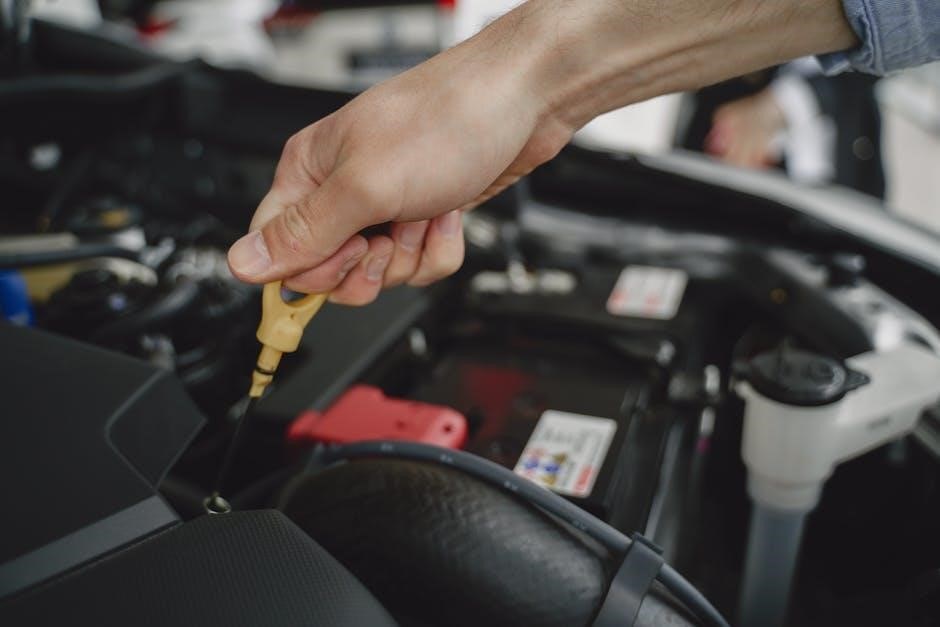
Troy-Bilt Engine Manual: A Comprehensive Guide
This guide offers detailed information for maintaining Troy-Bilt engines, often Briggs & Stratton powered, covering models like E1050 and GTX series.
Troy-Bilt engines, frequently manufactured by Briggs & Stratton, power a wide array of outdoor equipment, from lawn mowers to snow blowers. Understanding these engines is crucial for optimal performance and longevity. This guide focuses on residential engines, commonly found in Troy-Bilt products. Many models, such as the 2025 E Series (E1050), are designed for reliable operation.
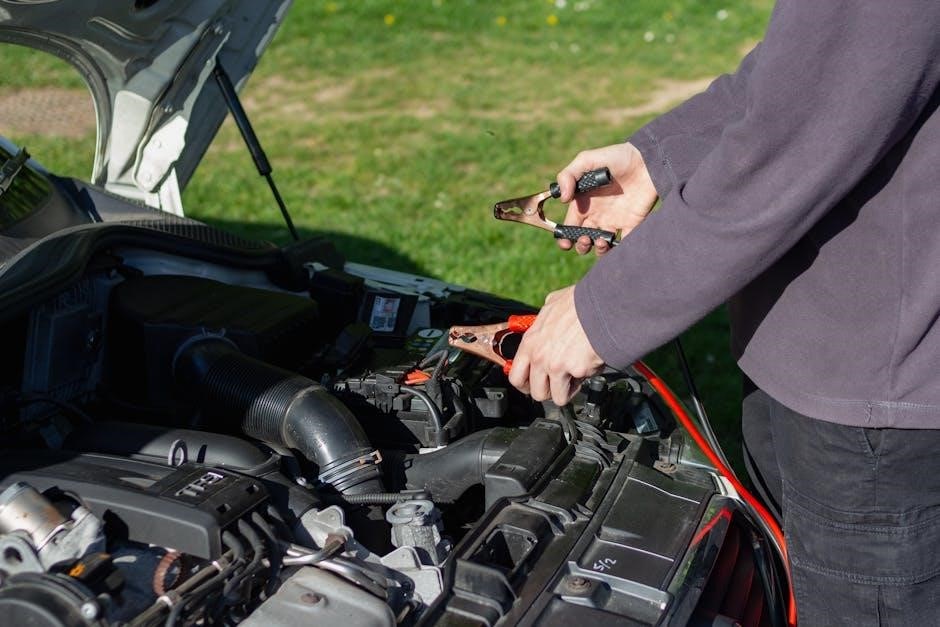
Troy-Bilt riding mowers, like the TB30 R and 26J Mini-Rider, often utilize Briggs & Stratton engines, specifically the 21R707-0039-G1. Proper maintenance, detailed within this manual, ensures these engines continue to deliver power for years to come. Accessing the correct manual is the first step towards successful engine care.
Understanding Engine Model Numbers
Troy-Bilt engine model numbers are essential for identifying the correct parts and accessing specific documentation. Often, these engines are Briggs & Stratton models, featuring a code like 21R707-0039-G1. Decoding this number reveals crucial information about the engine’s specifications and manufacturing date. Each segment signifies different attributes, aiding in accurate repairs and maintenance.
Understanding the numbering system allows owners to locate the appropriate manual, whether through the Troy-Bilt official website or Briggs & Stratton’s resources. Correct identification prevents using incompatible parts, ensuring optimal engine performance. This detailed approach simplifies troubleshooting and extends the engine’s lifespan.
Decoding the Briggs & Stratton Engine Code (e.g., 21R707-0039-G1)
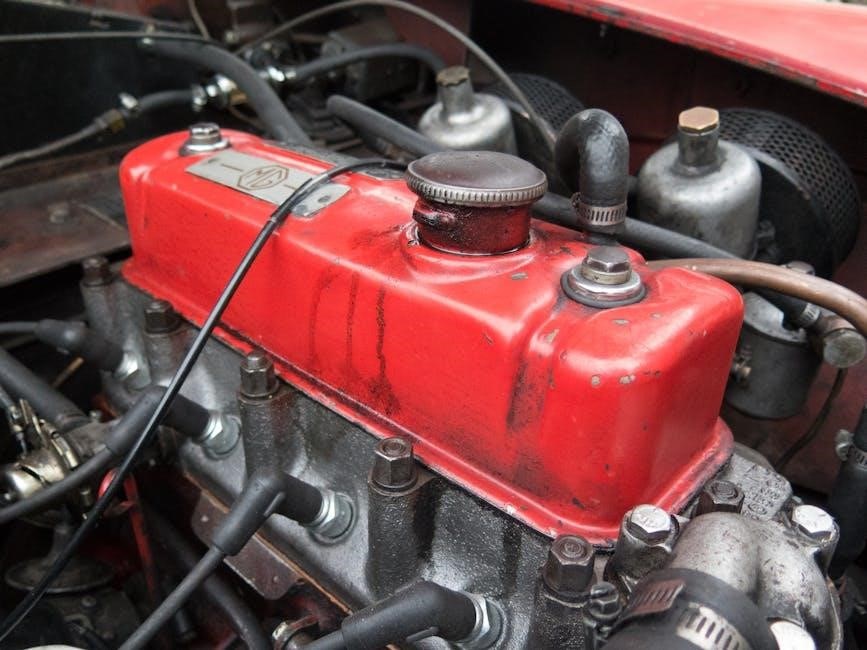
The Briggs & Stratton engine code, such as 21R707-0039-G1, is a key to unlocking specific engine details. “21R707” identifies the engine family and displacement. The “0039” portion denotes the specific engine configuration and manufacturing sequence. Finally, “G1” represents the date of manufacture – crucial for parts compatibility.
This code allows precise identification for ordering replacement parts or consulting the correct service manual. Knowing the code ensures you’re not using outdated or incorrect components. Websites like Briggs & Stratton’s utilize this code for accurate searches. Proper decoding streamlines maintenance and repair processes, saving time and resources.
Common Troy-Bilt Engine Models
Troy-Bilt mowers frequently utilize Briggs & Stratton engines, with several popular series. The E Series, like the E1050, offers reliable performance for residential use, known for its ease of maintenance. The GTX Series, encompassing models like GTX 18 and GTX 20, provides increased power for larger properties and demanding tasks.
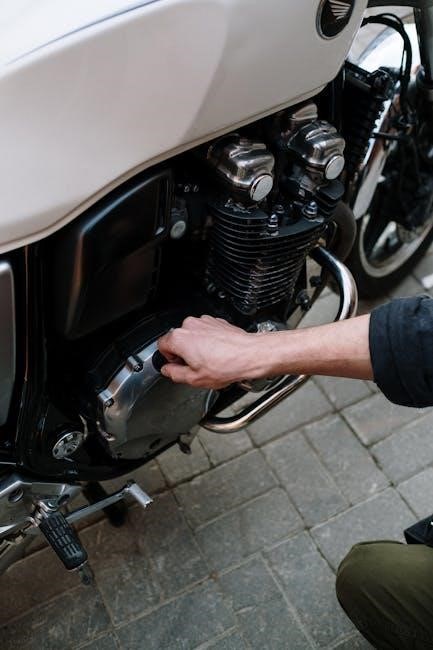
Understanding which engine powers your Troy-Bilt is vital for correct servicing. These engines are found in models like the TB30 R and 26J Mini-Rider. Identifying the specific model ensures access to the appropriate manuals and replacement parts, maximizing longevity and performance.
E Series Engines ─ E1050
The E1050 engine, part of Briggs & Stratton’s E Series, is a popular choice for Troy-Bilt residential lawn mowers. Released in 2025, it’s designed for straightforward operation and dependable performance. This engine prioritizes ease of use, making routine maintenance accessible to homeowners.
Common applications include standard-sized lawns where robust power isn’t the primary concern. Owners should consult their Troy-Bilt manual for specific maintenance schedules related to the E1050, including oil changes and air filter cleaning, to ensure optimal engine life and efficiency.
GTX Series Engines (GTX 18, GTX 20)
Troy-Bilt’s GTX Series engines, including the GTX 18 and GTX 20, offer increased power for tackling more demanding lawn care tasks. These engines are frequently found in larger riding mowers and are designed for greater durability. Repower Specialists Ltd. provides replacement kits for these models, allowing for engine upgrades.
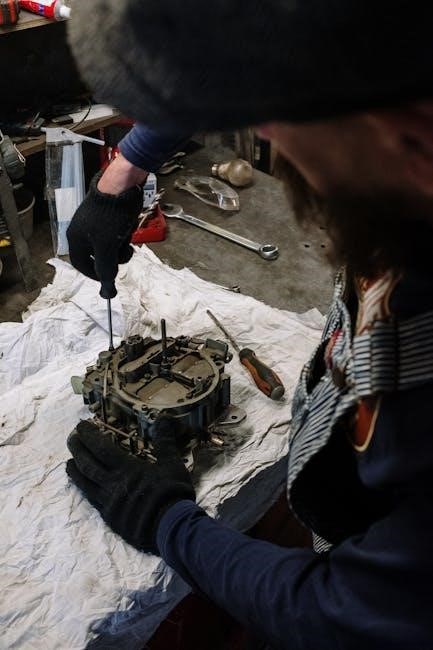
Owners should regularly inspect and maintain these engines, paying close attention to the fuel system and cooling components. Proper maintenance, as outlined in the Troy-Bilt manual, will maximize performance and extend the engine’s lifespan, ensuring reliable operation for years to come.
Locating Your Troy-Bilt Engine Manual
Finding the correct manual for your Troy-Bilt engine is crucial for proper maintenance and repair. The Troy-Bilt official website offers a comprehensive resource for downloading manuals, often searchable by model number. Since many Troy-Bilt engines are manufactured by Briggs & Stratton, their website is another excellent source.
Users can typically locate manuals by entering the engine’s complete model number (e.g., 21R707-0039-G1). Digital copies provide convenient access to troubleshooting guides, parts diagrams, and safety information, ensuring owners have the necessary resources for engine upkeep and resolving common issues.

Online Manual Resources – Troy-Bilt Official Website
The Troy-Bilt official website serves as a primary hub for accessing engine manuals. Users can navigate to the support or parts section and utilize a search function, typically requiring the full model number of their engine. This ensures accurate retrieval of the correct documentation.
Available manuals often include detailed diagrams, maintenance schedules, and troubleshooting steps. Troy-Bilt provides these resources as downloadable PDFs, offering convenient offline access. Regularly checking the website is recommended, as manuals are updated periodically to reflect changes and improvements.
Briggs & Stratton Website for Engine Manuals
Since many Troy-Bilt engines are manufactured by Briggs & Stratton, their website is an invaluable resource for finding detailed manuals. Users can locate the appropriate documentation by entering the engine’s model number – such as 21R707-0039-G1 – into the search bar.

Briggs & Stratton offers a comprehensive archive of manuals, often including parts lists and exploded views. These resources are typically available as downloadable PDFs, facilitating easy storage and access. The website also provides helpful troubleshooting guides and maintenance tips, ensuring optimal engine performance and longevity.
Essential Engine Maintenance
Regular maintenance is crucial for extending the life of your Troy-Bilt engine. Key procedures include routine oil changes, ensuring proper lubrication and reducing wear. Equally important is maintaining a clean air filter, preventing debris from entering the engine.
Periodically inspecting and replacing the spark plug guarantees optimal ignition. Neglecting these tasks can lead to reduced performance, increased fuel consumption, and potential engine damage. Consistent upkeep, following the manufacturer’s recommendations, will keep your Troy-Bilt running smoothly.
Oil Change Procedures

To change your Troy-Bilt engine oil, first warm the engine slightly for easier draining. Locate the drain plug, typically at the bottom of the engine, and position a drain pan underneath. Carefully remove the plug, allowing the old oil to fully drain.
Once drained, replace the plug and tighten securely. Next, remove the oil fill cap and add the recommended amount of fresh oil, specified in your engine manual. Always check the oil level with the dipstick, ensuring it’s within the safe range. Dispose of used oil responsibly.
Air Filter Cleaning and Replacement
Maintaining a clean air filter is crucial for engine performance. Regularly inspect your Troy-Bilt engine’s air filter for dirt and debris. For paper filters, gently tap to remove loose particles; avoid using water. Foam filters can be washed with mild soap and water, then thoroughly dried.
If the filter is excessively dirty or damaged, replace it with a new one. A clogged air filter restricts airflow, leading to reduced power and increased fuel consumption. Refer to your engine manual for the correct filter type and replacement instructions.
Spark Plug Inspection and Replacement
Regular spark plug inspection is vital for optimal engine ignition. Remove the spark plug and examine the electrode for wear, fouling, or damage. A properly functioning spark plug ensures efficient combustion. If the plug is oily, carbon-fouled, or exhibits a worn electrode, replacement is necessary.
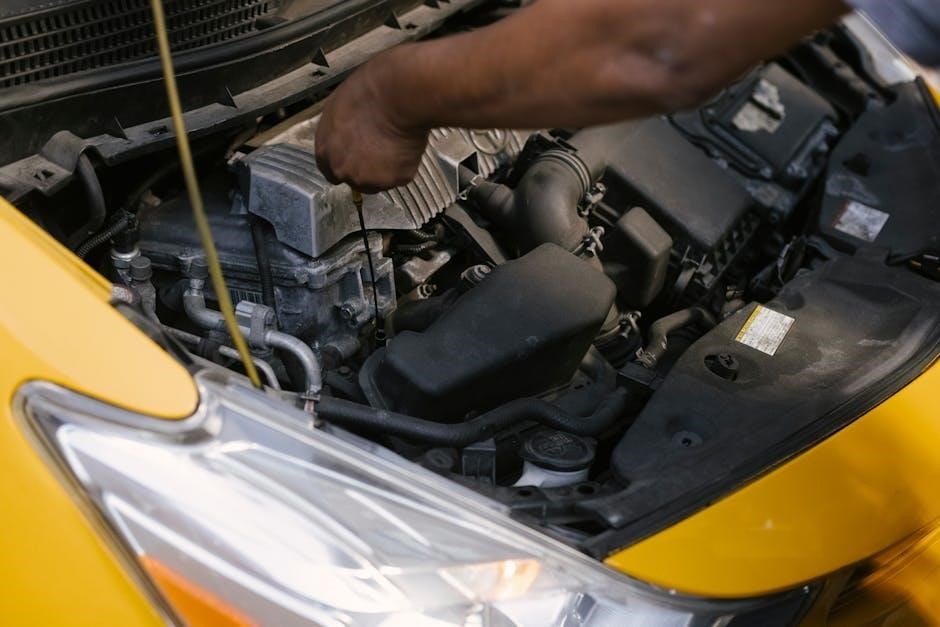
Always use the correct spark plug specified in your Troy-Bilt engine manual. Gap the new spark plug to the manufacturer’s recommended setting before installation. A faulty spark plug can cause hard starting, misfiring, and reduced engine power.
Troubleshooting Common Engine Problems
Addressing engine issues promptly prevents further damage. If the engine won’t start, check the fuel level, spark plug connection, and safety interlocks. A rough-running engine often indicates a dirty air filter, stale fuel, or a faulty spark plug. Overheating can stem from insufficient oil, a clogged cooling system, or excessive load.
Consult your Troy-Bilt engine manual for specific diagnostic steps. Remember to disconnect the spark plug wire before performing any maintenance. Identifying the Briggs & Stratton engine code (like 21R707-0039-G1) aids in finding targeted solutions.
Engine Won’t Start
A non-starting engine requires systematic diagnosis. First, verify sufficient fuel and a clean fuel filter. Next, inspect the spark plug for fouling or damage, ensuring a proper gap. Check the spark plug wire connection – it must be secure. Confirm the safety interlocks (seat switch, blade engagement) are functioning correctly.
For Briggs & Stratton engines, like the 21R707-0039-G1 found in Troy-Bilt mowers (TB30 R), consult the engine manual. Low compression can also be a cause; a compression test may be needed. Always disconnect the spark plug before troubleshooting.
Engine Runs Rough
A rough-running Troy-Bilt engine often indicates fuel or ignition issues. Begin by checking the air filter – a clogged filter restricts airflow. Inspect the spark plug; a dirty or worn plug causes misfires. Ensure the carburetor is clean and free of debris, as varnish buildup is common.
For Briggs & Stratton engines, verify proper fuel mixture. A faulty carburetor or a restricted fuel line can lead to an improper air-fuel ratio. Consider a fuel stabilizer, especially after storage. Consult the manual for specific troubleshooting steps related to your engine model.
Engine Overheating
Troy-Bilt engine overheating is a serious concern, potentially causing significant damage. First, check the oil level – insufficient lubrication increases friction and heat. Inspect the cooling fins on the engine block; debris blockage restricts airflow. A faulty thermostat can also prevent proper cooling system function.
For Briggs & Stratton engines, ensure the carburetor isn’t running too lean, as this generates excessive heat. Check the fuel cap vent; a blocked vent creates a vacuum, affecting fuel delivery. If overheating persists, consult a qualified mechanic to prevent further engine damage.
Fuel System Maintenance
Troy-Bilt engine fuel systems require regular attention for optimal performance. Begin with fuel filter replacement annually, preventing debris from reaching the carburetor. Old fuel can degrade, causing issues, so use fuel stabilizer, especially during storage. A carburetor cleaning is crucial if the engine runs poorly or won’t start.
Inspect fuel lines for cracks or leaks, replacing them as needed. Ensure the fuel cap vent is clear to allow proper airflow. For Briggs & Stratton engines, follow their specific recommendations for fuel types and maintenance schedules to prolong engine life.
Fuel Filter Replacement
Fuel filter replacement is a simple yet vital maintenance task for your Troy-Bilt engine. Locate the inline fuel filter, typically between the fuel tank and carburetor. Before removal, clamp the fuel line to prevent spillage. Disconnect the old filter, noting the fuel flow direction indicated by an arrow on the filter body.
Install the new filter, ensuring correct orientation. Securely clamp the fuel lines to the filter. Prime the engine by repeatedly pulling the starter cord to draw fuel through the new filter. Regularly replacing the filter prevents debris from damaging the carburetor and ensures consistent engine performance.
Carburetor Cleaning
Carburetor cleaning addresses fuel delivery issues causing rough running or starting problems in your Troy-Bilt engine. Begin by disconnecting the fuel line and carefully removing the carburetor. Disassemble the carburetor, noting the position of all parts. Use carburetor cleaner to thoroughly spray and dissolve varnish and debris from all passages and jets.
Pay close attention to the main jet and idle jet. Reassemble the carburetor with new gaskets if necessary. Ensure all parts are correctly positioned before reinstallation. Proper carburetor cleaning restores optimal fuel-air mixture, improving engine performance and efficiency.
Winterization and Storage
Proper winterization protects your Troy-Bilt engine during off-season storage. First, stabilize the fuel with a fuel stabilizer to prevent degradation. Run the engine briefly to circulate the stabilized fuel through the system; Next, change the oil to remove contaminants accumulated during use. Disconnect the spark plug wire for safety.
Clean the engine exterior and remove any debris. Store the engine in a dry, covered location, protecting it from the elements. Consider covering the air intake to prevent pest intrusion. Following these steps ensures easy starting and reliable operation next season.
Safety Precautions
Always disconnect the spark plug wire before performing any maintenance to prevent accidental starting; Wear appropriate safety glasses and gloves when handling fuel or oil. Ensure adequate ventilation when working indoors. Never operate the engine in an enclosed space due to the risk of carbon monoxide poisoning.
Keep children and pets away from the work area. Allow the engine to cool completely before servicing. Properly dispose of used oil and fuel according to local regulations. Be mindful of hot surfaces and rotating parts. Following these precautions minimizes risks during engine maintenance.
Parts Diagrams and Ordering
Detailed parts diagrams are crucial for identifying specific components during repairs or replacements. Briggs & Stratton and Troy-Bilt’s official websites offer extensive online catalogs with exploded views of engines. These diagrams simplify the process of locating the correct part number. Ordering parts can be done directly through these websites or authorized dealers like Plesheks Outdoor Power.
Repower Specialists Ltd. provides complete engine replacement kits, streamlining the process if major repairs are needed. Always verify the engine model number (e.g., 21R707-0039-G1) before ordering to ensure compatibility.
Repower Options for Troy-Bilt Mowers
When a Troy-Bilt mower engine reaches the end of its lifespan, repowering offers a cost-effective alternative to purchasing a new machine. Repower Specialists Ltd. specializes in engine replacement kits tailored for various Troy-Bilt models, including the GTX 18 and GTX 20 series. These kits typically include the engine, mounting hardware, and necessary wiring.
Repowering can restore performance and extend the life of your mower. Carefully consider horsepower requirements and ensure the replacement engine is compatible with your mower’s deck size and intended use.
Engine Replacement Kits – Repower Specialists Ltd.
Repower Specialists Ltd. provides comprehensive engine replacement kits specifically designed for Troy-Bilt mowers. These kits simplify the repowering process, including a new engine, mounting brackets, and essential wiring components. Kits are available for popular models like the GTX 18 and GTX 20, ensuring a direct fit and minimizing installation challenges.
Choosing the correct kit involves verifying your mower’s model number and horsepower requirements. Repower Specialists offers expert guidance to help you select the optimal engine for your Troy-Bilt, restoring its power and reliability.
Resources for Troy-Bilt Riding Mower Repair (TB30 R, 26J Mini-Rider)
Repairing Troy-Bilt riding mowers, specifically the TB30 R and 26J Mini-Rider (Model 13CC26JD011), often centers around the Briggs & Stratton engine (21R707-0039-G1). Online forums, like those on Reddit (r/smallengines), provide valuable community support and troubleshooting advice. Accessing detailed engine specifications and parts diagrams is crucial for successful repairs.
Remember to consult official Troy-Bilt resources and Briggs & Stratton manuals for specific guidance. Proper diagnosis and utilizing correct replacement parts are key to restoring your mower’s functionality.
Understanding Warranty Information
Troy-Bilt engines, frequently manufactured by Briggs & Stratton, come with specific warranty coverage. It’s essential to understand the terms and conditions to ensure valid claims. Briggs & Stratton offers engine warranties, typically covering defects in materials and workmanship for a defined period.
Warranty duration varies based on the engine model and purchase date. Keep your purchase receipt and warranty documentation readily available. Registering your engine promptly can streamline the warranty process. Review the warranty details for exclusions and limitations.
Briggs & Stratton Engine Warranty Details
Briggs & Stratton generally provides a standard warranty on their engines, often found in Troy-Bilt products. This typically includes coverage for defects in manufacturing and materials. The standard consumer warranty is often two years from the date of purchase, though commercial use has a shorter duration.

Warranty claims require proof of purchase. Proper engine maintenance, as outlined in the owner’s manual, is crucial for warranty validity. Damage caused by improper use, accidents, or unauthorized repairs voids the warranty. Visit the Briggs & Stratton website for complete details.
Where to Find Local Repair Services
Locating qualified repair technicians for your Troy-Bilt engine is essential for maintaining optimal performance. Briggs & Stratton maintains a dealer locator on their website, allowing you to find authorized service centers nearby. Additionally, many independent small engine repair shops offer expertise in Troy-Bilt and Briggs & Stratton products.
Check online review platforms and ask for recommendations from local lawn care professionals. When selecting a service provider, inquire about their experience with your specific engine model and request a detailed estimate before authorizing any repairs.